
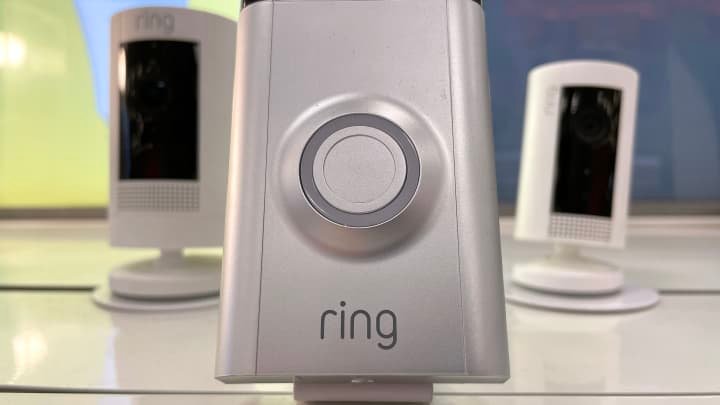
The Amazon Ring surveillance partnership has officially come to an end following significant public backlash, marking a notable shift in how major technology companies respond to privacy-related criticism. The decision underscores rising consumer expectations around transparency and responsible data practices within the smart home security market.
Amazon’s home security brand Ring faced mounting scrutiny over its surveillance firm collaboration. Critics argued that the Amazon Ring surveillance partnership risked expanding monitoring capabilities beyond what customers initially anticipated when purchasing smart doorbells and security devices. Privacy advocates questioned whether such partnerships aligned with user consent and data protection standards.
By terminating the agreement, Ring appears to be prioritizing brand trust and long-term credibility. In today’s regulatory climate, technology companies must weigh not only innovation and security enhancements but also ethical considerations surrounding surveillance technology. Corporate accountability is increasingly becoming a defining factor in maintaining customer loyalty.
The broader technology sector has witnessed similar controversies in recent years, as partnerships involving data analytics and monitoring tools draw intense public and regulatory attention. The Amazon Ring surveillance partnership episode illustrates how swiftly public perception can influence corporate strategy.
For consumers, the development reinforces the importance of understanding how smart home devices interact with third parties. For businesses, it serves as a reminder that sustainable growth depends on balancing technological advancement with clear privacy safeguards.
As scrutiny around surveillance practices continues, Ring’s move may help restore confidence while signaling a more cautious approach to future collaborations in the evolving smart security landscape.