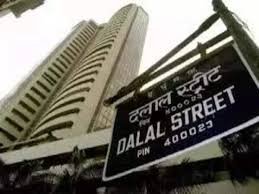

Indian equity markets witnessed a sharp decline today, with the benchmark falling more than 1,000 points and the slipping below the key psychological level of 25,500. The sell-off was broad-based, dragging major sectors into negative territory and reflecting cautious sentiment among investors.
Markets opened on a weaker note and extended losses through the session as selling pressure intensified across financial, information technology, and auto stocks. Heavyweight companies led the downturn, amplifying the fall in headline indices and contributing to one of the more notable single-day declines in recent weeks.
Broader markets mirrored the weakness. Mid-cap and small-cap stocks traded lower, indicating that the risk-off mood was not limited to large institutional counters. Market breadth remained firmly negative, with declining shares significantly outnumbering gainers on the exchanges.
Traders attributed the downturn to a mix of profit booking and global uncertainty following the recent market rally that had pushed valuations higher. After weeks of upward momentum, many investors appeared to lock in gains, triggering a wave of selling that gathered pace as the session progressed.
Foreign investor activity is also being closely watched, as shifts in global capital flows often influence emerging markets like India. Concerns around inflation and the future path of interest rates have kept participants cautious, particularly at a time when central banks worldwide continue to balance growth and price stability.
Despite the sharp drop, analysts generally view such corrections as part of normal market behavior rather than an immediate signal of a trend reversal. Periodic pullbacks tend to reset valuations and can bring more stability to markets that have risen rapidly.
Attention will now turn to upcoming macroeconomic data, corporate earnings visibility, and global market cues to gauge near-term direction. Investors are likely to remain selective, focusing on fundamentally strong companies while monitoring volatility.
For long-term participants, the broader structural drivers of the Indian economy — including steady domestic demand, ongoing digital expansion, and infrastructure spending — remain intact. However, in the short term, markets may continue to experience fluctuations as investors adjust positions and respond to evolving economic signals.
Whether today’s decline proves temporary or develops into a deeper corrective phase will depend largely on institutional flows and the resilience of investor confidence in the sessions ahead.